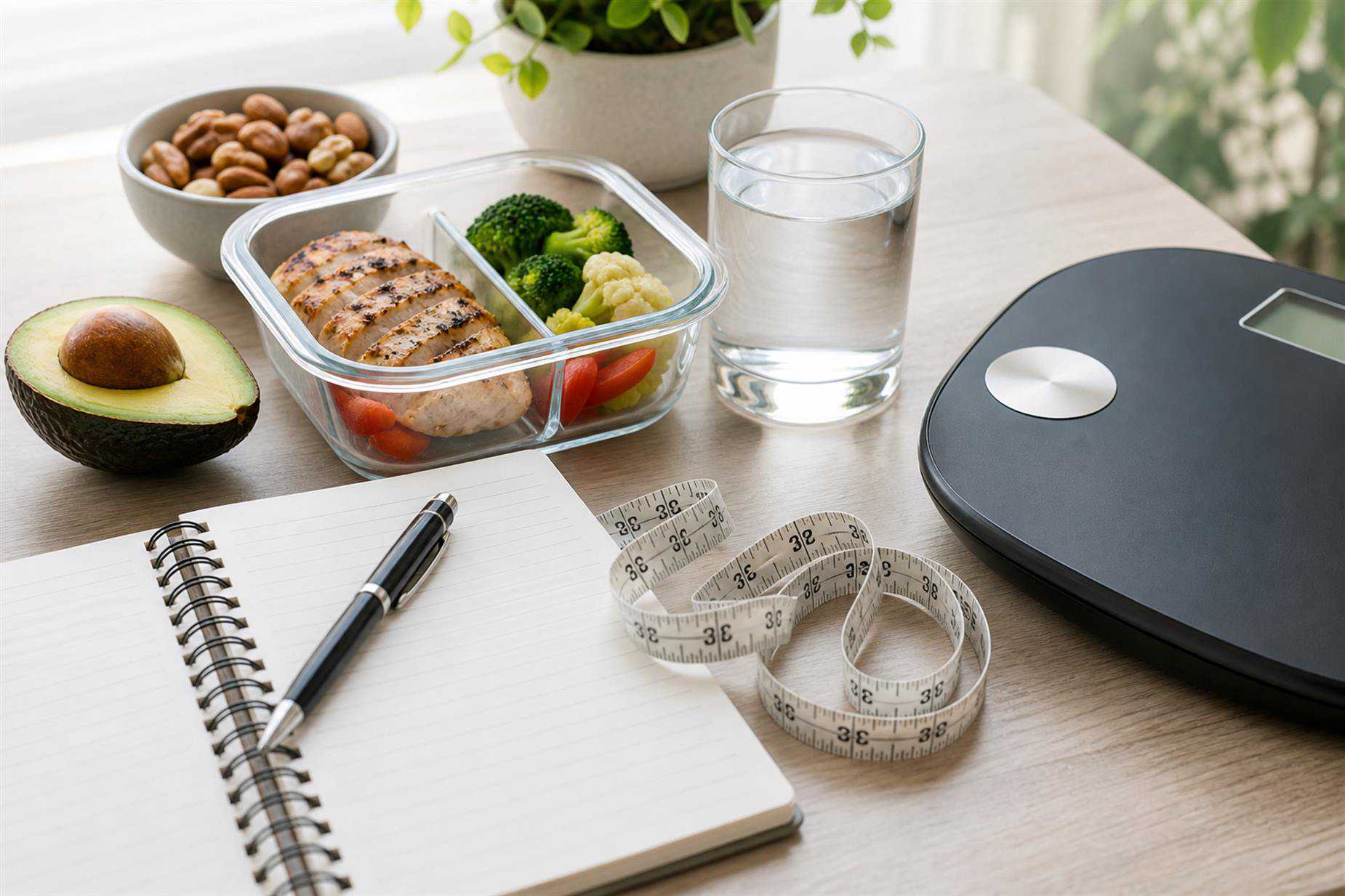
Long-term keto success usually comes from consistency, not extreme rules. The best weight loss tips are the ones you can repeat on busy days, travel days, and the days when motivation is low. That is why the smartest approach is to build a simple system instead of chasing a perfect plan. When keto feels practical, your routine becomes easier to maintain and your results become easier to protect.
Many people start keto with big expectations and very little structure. They cut carbs hard for a week, buy a few products, and hope the scale moves quickly. That can work for a short burst, but it is not a strategy. Real progress usually comes from a handful of daily habits that support appetite control, stable energy, and steady food choices. If you can make those habits automatic, you do not need to rely on willpower every day.
Start with a repeatable meal rhythm
The most useful keto weight loss tip is to give yourself a predictable eating rhythm. You do not need to eat the exact same meals forever, but you do need a template you can trust. For many people, that means building meals around protein first, then adding low carb vegetables and a source of healthy fat. A simple template removes decision fatigue and helps you stay on track when life gets busy.
When you plan meals this way, you make it easier to avoid random snacking. Breakfast can be eggs with avocado, lunch can be chicken with salad, and dinner can be salmon with roasted vegetables. The exact foods can change, but the structure stays the same. This matters because a consistent structure is often more powerful than motivation. You do not have to think hard about every meal when the pattern is already clear.
Make your kitchen work for you
Your environment shapes your results more than most people realize. If your pantry is full of snack foods, protein is hard to find, and your fridge has nothing ready to eat, you are more likely to make off plan choices. One of the simplest ways to support keto weight loss is to keep the kitchen easy to use. Stock foods that fit your plan and remove the foods that keep pulling your attention.
A good keto-friendly kitchen usually includes eggs, plain yogurt if it fits your carb target, cheese, leafy greens, cucumber, broccoli, cauliflower, chicken, beef, fish, nuts, seeds, olive oil, butter, and a few seasoning options. The idea is not to build a complicated menu. The idea is to make the right choice the easiest choice. If healthy meals are already one step away, you will follow through more often.
Use protein as your anchor
Protein is one of the most underrated parts of a keto plan. People often focus so much on carbs that they forget how helpful protein can be for fullness and routine. When each meal has a clear protein source, it becomes easier to stay satisfied between meals and less likely that you will drift into grazing. Protein also helps your meals feel complete, which makes keto more practical over the long term.
You do not need to turn every meal into a complex macro calculation. Instead, think in terms of a strong protein anchor. Eggs at breakfast, chicken at lunch, steak or fish at dinner, or tofu if you prefer plant-based choices. Once that anchor is in place, add vegetables and fat in a way that feels sustainable. People often find that appetite becomes easier to manage when protein is no longer an afterthought.
Do not ignore hydration and electrolytes
Many beginners feel tired on keto because they underestimate hydration. When you reduce carbs, your body often holds less water, and that can make you feel flat, headachy, or unusually hungry. Drinking enough water is important, but so is replacing electrolytes if your diet and activity level demand it. Sodium, potassium, and magnesium all matter when you are adjusting to a low carb routine.
A practical approach is simple. Drink water throughout the day, salt your food to taste, and pay attention to how you feel during exercise, hot weather, or long workdays. If you notice cramping, fatigue, or a dip in energy, your recovery routine may need more attention. The goal is not to overcomplicate nutrition. The goal is to make sure your body has what it needs to function well while you keep carbs low.
Track progress in more than one way
The scale is useful, but it is not the whole story. Weight can change because of water, salt, sleep, stress, exercise, and food timing. If you only judge progress by the number on the scale, you may think you are failing when the real picture is more positive. A better approach is to watch several signals at once. Energy, appetite, waist fit, meal consistency, and training performance can all tell you something meaningful.
For some people, progress shows up as fewer cravings and more control around food. For others, it is better sleep, a smaller waistline, or more stable energy during the afternoon slump. Write down what is changing, even if the scale is moving slowly. That helps you see the trend instead of reacting to a single day. When you measure the right things, you stay patient enough to keep going.
Learn how to handle plateaus
Plateaus are normal, and they do not mean keto is broken. Sometimes your body is adjusting, sometimes you are retaining water, and sometimes your routine has drifted without you noticing. When progress slows, the first thing to do is review the basics. Are you eating more snacks than you think? Are portions creeping up? Are weekend meals undoing weekday consistency? Honest review usually solves more problems than panic does.
If your habits are still solid, the plateau may just need time. Do not respond by slashing food aggressively or changing ten things at once. Pick one adjustment and test it for a week or two. That could mean improving sleep, tightening up snack habits, or walking more each day. Small changes are easier to repeat, and repeatable changes are the ones that actually move results forward.
Avoid the most common mistakes
One of the most common mistakes is starting with too many rules. People try to count every gram, buy several supplements, and follow an unrealistic meal plan at the same time. That often leads to burnout. Another mistake is expecting a straight line of progress. Real life includes weekends, cravings, events, and tired days. If your plan cannot survive those moments, it is too fragile.
Another trap is focusing on products instead of habits. No shake, pill, or quick fix can replace the basics of good food choices and consistency. It is fine to use tools that genuinely help, but they should support the plan rather than become the plan. The strongest keto strategy is usually the least flashy one. Eat predictable meals, keep carbs under control, and repeat the basics long enough for them to work.
Build a simple 7-day reset
If your routine has slipped, a short reset can help you get back on track without feeling overwhelmed. For seven days, keep breakfast simple, prepare lunch in advance, and make dinner with a protein and a low carb vegetable. Drink more water, walk after meals if you can, and avoid adding extra snacks unless you truly need them. This is not about perfection. It is about regaining rhythm.
You can also use the week to pay attention to patterns. Notice which meals keep you full, which foods trigger cravings, and what times of day make you vulnerable to mindless eating. That information is useful because it lets you personalize your routine instead of copying a generic plan. When the reset ends, you will have a clearer picture of what actually works for you.
Bottom line
Real keto weight loss comes from ordinary habits repeated often enough to matter. Keep your meals simple, make your kitchen supportive, stay hydrated, and measure progress with more than one number. When you stop chasing extremes and start building a routine you can live with, consistency becomes much easier. That is what makes the results last.