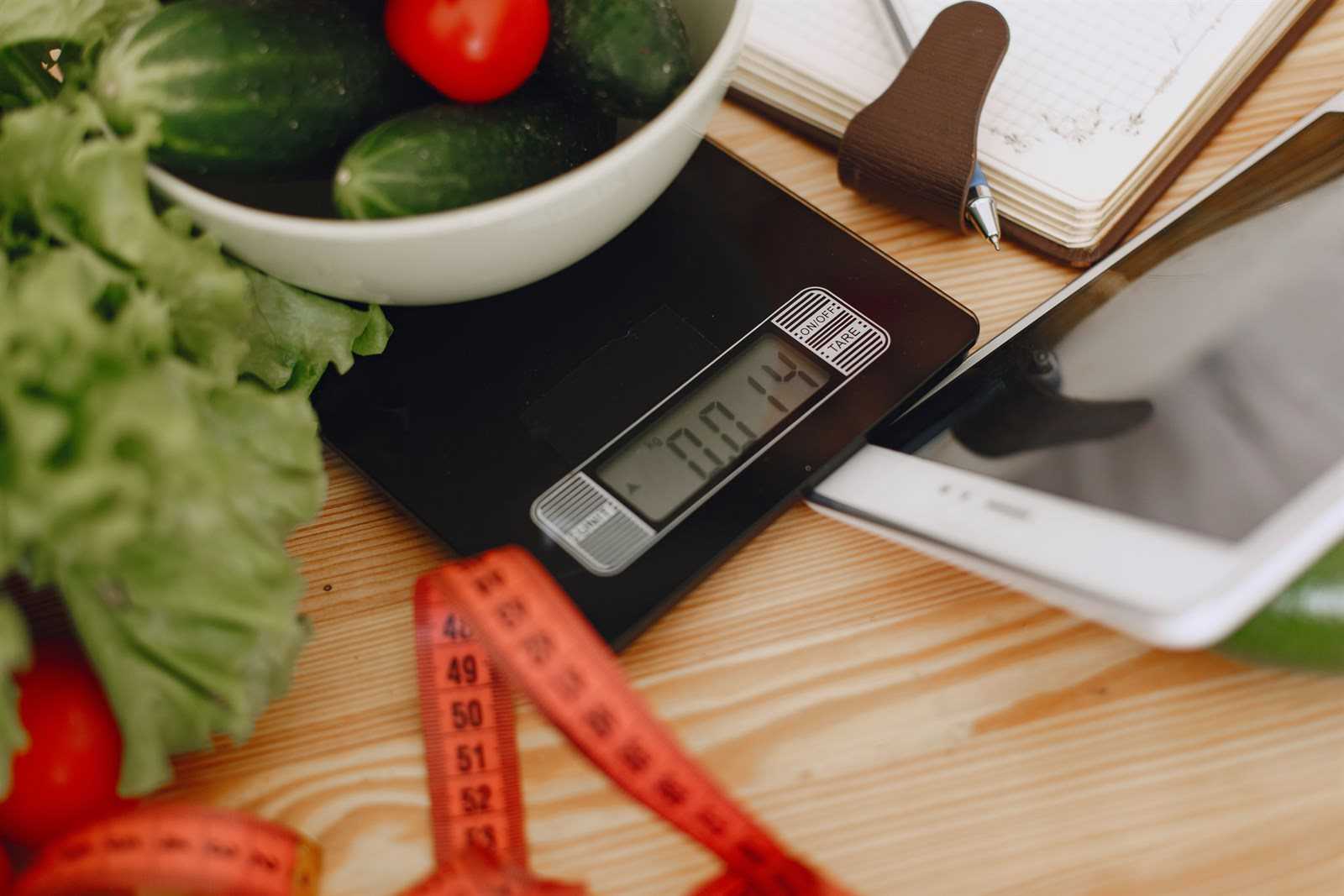
A keto weight-loss plateau can feel frustrating because it often shows up right after a good stretch of progress. You did the work, kept carbs low, and saw the scale move, so when the number stops changing it is easy to assume something is broken. In most cases, the plateau is not a sign that keto stopped working. It is usually a sign that your body adapted, your routine drifted a little, or a non-scale factor is hiding the progress that is still happening.
The key is to respond like a planner, not like a panicked dieter. If you start changing everything at once, you lose the data that would have told you what actually helped. A better approach is to slow down, look at the basics, and make one useful change at a time. That keeps the process simple and makes it easier to separate real problems from normal fluctuations in weight, water, and appetite.
Why plateaus happen
Most plateaus are not mysterious. They usually come from a mix of water retention, portion creep, hidden carbs, sleep debt, stress, and inconsistent habits. You may still be eating low carb overall, but if snacks have become more frequent or weekend meals have become looser, the total picture can change enough to stall fat loss. Sometimes the body also holds extra water after a new workout routine, a salty meal, or a rough week of sleep.
That is why the scale alone can be misleading. If you are exercising more, eating better, and sleeping less than you should, your body can temporarily store water while still improving in other ways. When that happens, it is easy to mistake a pause for failure. A plateau should be treated as a checkpoint, not a verdict.
Review the last two weeks honestly
The first step is a simple review of the last 10 to 14 days. Ask whether you have been eating more often, using more sauces, drinking more calorie-heavy beverages, or adding keto snacks that are easy to overeat. The goal is not to judge yourself. The goal is to find the one or two habits that may have loosened without you noticing. Those small leaks often matter more than people expect.
It can help to write down a few facts instead of relying on memory. What did breakfast look like most days? How often did you snack? Did you eat out more than usual? Did you start skipping meals and then overeating later? Once you see the pattern on paper, the plateau usually looks less like a mystery and more like a routine that needs a reset.
Make protein the anchor again
One of the fastest ways to steady a stalled routine is to bring protein back to the center of your meals. Protein helps with fullness, recovery, and simple meal structure. If meals have become too random, you are more likely to wander into grazing and less likely to feel satisfied for long enough to stay on track. A solid protein anchor gives your day a clearer rhythm.
You do not need to calculate everything perfectly. You just need enough structure to remove uncertainty. Eggs, chicken, beef, fish, tofu, or Greek yogurt can each serve as a base for a meal. Once the protein is in place, add vegetables and a fat source that fits your preference. When meals feel complete, cravings usually get easier to manage and plateaus become easier to troubleshoot.
Check for hidden calorie creep
Keto is low carb, but low carb does not automatically mean low calorie. Nut butters, cheese, cream, dressings, and fat bombs can all be useful, but they also add up fast. Many plateaus come from small extras that do not feel significant in the moment. A spoonful here, a bite there, and an extra snack after dinner can quietly erase the deficit you thought you had.
This does not mean you should fear fat or treat every meal like a math problem. It means you should notice where the easy calories are coming from. If you have been leaning heavily on packaged keto treats, try replacing some of them with simpler meals for a week. If you have been adding a lot of extras to make food more exciting, test a cleaner version and see whether hunger stays manageable. Often the body responds well to less complexity.
Improve the non-food habits that affect fat loss
Sleep, stress, hydration, and movement can make a plateau look worse than it is. Poor sleep increases hunger for many people and makes self-control harder the next day. Stress can push you toward convenience food, late-night eating, or all-or-nothing thinking. If your recovery is weak, the body may also retain more water and make the scale feel stuck even when you are making progress.
Movement matters too, but you do not need to launch a dramatic exercise plan. A daily walk, a few strength sessions each week, or a consistent step target can help a lot. The point is to create a routine your body can settle into. Keto works best when it is supported by ordinary habits that keep energy stable and decision-making simple.
Use a short reset instead of a crash fix
When a plateau lasts too long, a short reset can help you regain clarity. For seven days, keep meals simple, avoid unnecessary snacks, drink more water, and eat protein at each meal. This kind of reset is not a punishment. It is a way to remove the noise so you can see what your baseline actually looks like. Many people are surprised by how quickly appetite becomes easier when the routine is simplified.
The reset should be realistic, not extreme. You are not trying to starve yourself into progress. You are trying to rebuild momentum by clearing away the habits that make the plan messy. If the reset helps, you can keep the useful parts and discard the rest. If it does not help, that is still useful information because it tells you to look elsewhere instead of forcing a strategy that does not fit.
Know when to change one variable
Once you have reviewed the basics, make one change and give it time. Maybe you tighten up snacks, maybe you reduce weekend drift, maybe you add a walk after dinner, or maybe you move dinner a little earlier. One change is enough. The point is to learn what actually moves the needle rather than drowning yourself in a list of corrections. If you change too much, you will not know which change mattered.
It also helps to give the body enough time to respond. A few days is usually too short to judge. Water weight can mask progress for longer than people expect, especially if you are exercising differently or eating more sodium. Track your trend over a couple of weeks, not just a couple of mornings. That wider view is usually much more honest.
Stop treating the scale like the only outcome
Weight is useful, but it is only one signal. If your clothes fit better, your appetite is more stable, your energy is better, and you are eating more consistently, you are still moving in the right direction. The body does not always reveal fat loss in a neat straight line. Sometimes you will notice better measurements or better habits before the scale catches up.
That is why it helps to track a few practical signs. Are you less bloated? Are cravings lower? Are you recovering better from workouts? Are you staying calmer around food? Those details matter because they tell you whether your system is working even when one number is not changing. A plateau often becomes less scary once you widen the definition of progress.
Bottom line
A keto plateau is usually a signal to simplify, not to quit. Review your habits, bring protein back to the center, reduce hidden extras, and support the process with sleep, hydration, and movement. Then make one change and give it time. Most of the time, momentum returns when the routine becomes clearer. The people who keep making progress are not the ones who never stall. They are the ones who know how to respond calmly when they do.