MCT oil shows up in keto coffee recipes, powder packets, smoothie add-ins, and supplement bundles that promise easy ketones or faster fat burning. The ingredient is common enough that many shoppers assume every MCT product does the same thing. That is where label reading matters. Liquid MCT oil and powdered MCT products can look similar on the front of the package but differ a lot once you check the carrier ingredients, serving size, and net carb impact.
This guide focuses on practical MCT oil label checks rather than dramatic claims. It will not promise weight loss, instant ketosis, or medical benefits from a spoonful of oil. Instead, it explains how MCT oil is usually sourced, how liquid and powder versions differ, where hidden fillers can show up, and how to think about net carbs before adding a product to a keto routine.
What MCT Oil Actually Means on a Keto Label
MCT stands for medium-chain triglycerides. In keto marketing, that usually means fats sourced from coconut or palm that are processed into shorter-chain fatty acids such as caprylic acid (C8) and capric acid (C10). Some products also include lauric acid (C12), while others highlight a higher percentage of C8 because it is often marketed as the fastest-converting option for ketone production. The front label may say simply “MCT oil,” but the back panel sometimes tells a more detailed story about the actual blend.
For most readers, the key point is not memorizing every fatty acid name. The useful question is whether the product explains what is inside clearly enough for comparison. If the label hides the C8/C10 breakdown, avoids stating whether the product is liquid or powdered MCT, or uses a vague proprietary blend, it becomes harder to compare value and fit. A simple, transparent label is usually easier to trust than a flashy one built around performance language.
Liquid MCT Oil vs MCT Oil Powder
Liquid MCT oil is usually the simpler format. The ingredient list may contain only medium-chain triglycerides, with little else added. That makes it easier to understand from a keto ingredients perspective. You can measure the serving, use it in coffee or dressings, and see exactly how much fat is being added. The tradeoff is texture and tolerance. Some people do not enjoy the mouthfeel, and larger servings can cause digestive discomfort if introduced too quickly.
MCT oil powder is often marketed as more convenient for shakes, travel, and single-serve packets. But the powder format typically needs a carrier system so the oil can stay dry and mix easily. That is where label checks become more important. Powders may use ingredients such as acacia fiber, tapioca fiber, gum blends, maltodextrin, starches, or milk-derived carriers. Some of those ingredients are not automatically a problem, but they can change the carb count, the texture, and the overall “keto-friendly” story compared with a plain liquid oil.
If a shopper wants the shortest ingredient list, liquid often wins. If the goal is portability or mixability, powder may still be useful, but it deserves a closer look at the Supplement Facts and ingredient panel.
Why Net Carbs Can Be Less Obvious in MCT Powders
Net carbs are not usually a concern with a pure liquid oil because oil itself does not provide meaningful carbohydrate. Powdered products are different. Once fiber carriers, sweeteners, flavors, creamers, or anti-caking agents enter the formula, the product is no longer just fat in a bottle. Some labels remain fairly low in carbs, while others become more like flavored functional beverage mixes.
This is where serving size matters. A label may look low carb at one scoop, but the scoop may be smaller than what the marketing copy implies. It also helps to look at servings per container and whether the product encourages stacking with collagen, coffee creamers, or sweetened flavor sachets. Even when the net carb number stays modest, the real-world routine can become more complex than the front panel suggests.
Fiber claims deserve context too. Some powders use acacia or other fibers as part of the carrier system and present that as a bonus. That can be fine, but it still means the product is not equivalent to straight liquid MCT oil. When comparing options, it is better to ask, “Am I buying a simple fat source, or a blended functional powder with added texture ingredients?”
Label Terms Worth Checking: C8, C10, Fillers, and Sweeteners
One of the first things to scan is whether the product names the MCT sources or chain lengths. Labels that specify C8, C10, or a blend give you more information than labels that simply say “proprietary ketone support matrix” or similar marketing language. That does not mean a technical label is automatically better, but it does make comparison easier.
The second checkpoint is the non-oil ingredients. MCT powders may include soluble corn fiber, tapioca fiber, acacia, gums, silicon dioxide, natural flavors, stevia, monk fruit, dairy proteins, or sweet cream bases. Some shoppers want those extras. Others want to avoid them. Either way, the ingredient list should be short enough and clear enough that you can tell what role each ingredient is playing.
The third checkpoint is the sweetener story. If the product is flavored, check whether it uses sugar, sugar alcohols, or non-nutritive sweeteners. Flavored keto add-ins can fit some routines, but they are a different buying decision from a neutral, unflavored MCT product. If a label leans heavily on “keto coffee creamer” language, verify whether you are still looking at an MCT supplement first or a flavored beverage mix with a smaller MCT component.
How to Think About Tolerance Without Treating MCT as a Medical Shortcut
MCT products are often discussed as if more is automatically better. In practice, tolerance matters. Some people prefer to start with a smaller serving because larger amounts of liquid MCT can cause cramping, urgency, or stomach upset. Powders may feel gentler for some users, while others react more to the carrier ingredients than the oil itself. That is not a sign that one format is universally superior. It simply means the label tells only part of the story until it is matched with realistic serving behavior.
This matters for searchers who want a practical keto ingredient guide rather than hype. A product that looks efficient on paper may still be a poor fit if the suggested serving is too aggressive or if the formula stacks several extras into one scoop. The safest reading is usually the simplest one: treat MCT as a food or supplement ingredient to evaluate, not as proof that the rest of a routine is automatically optimized.
Checklist for Comparing MCT Oil Products
- Check whether the product is liquid oil, powder, or a flavored creamer-style blend.
- Look for clear ingredient naming such as C8, C10, or a stated MCT source.
- Read the full ingredient panel for carriers like acacia, tapioca fiber, gums, dairy bases, or starches.
- Review carbs and serving size together instead of reading the net carb number in isolation.
- Notice whether sweeteners or flavors turn the product into more than a plain MCT supplement.
- Be cautious with labels that promise dramatic ketosis or fat-loss results without clear formula details.
- Check container size and servings per package so value comparisons stay realistic.
Bottom Line
The best MCT oil on keto choice is not always the one with the boldest claims. For many shoppers, the most useful distinction is simple: liquid MCT oil is often the cleaner, easier-to-read option, while MCT powders can be convenient but deserve more scrutiny because carriers and sweeteners may affect net carbs and ingredient simplicity.
If you only remember one label rule, make it this: compare the back panel, not just the front promise. Look at whether the product is truly a straightforward MCT ingredient, how the serving is structured, and whether added fillers or flavor systems change the carb picture. That approach keeps MCT oil in the practical keto ingredients category where it belongs instead of turning it into a shortcut story the label cannot support.
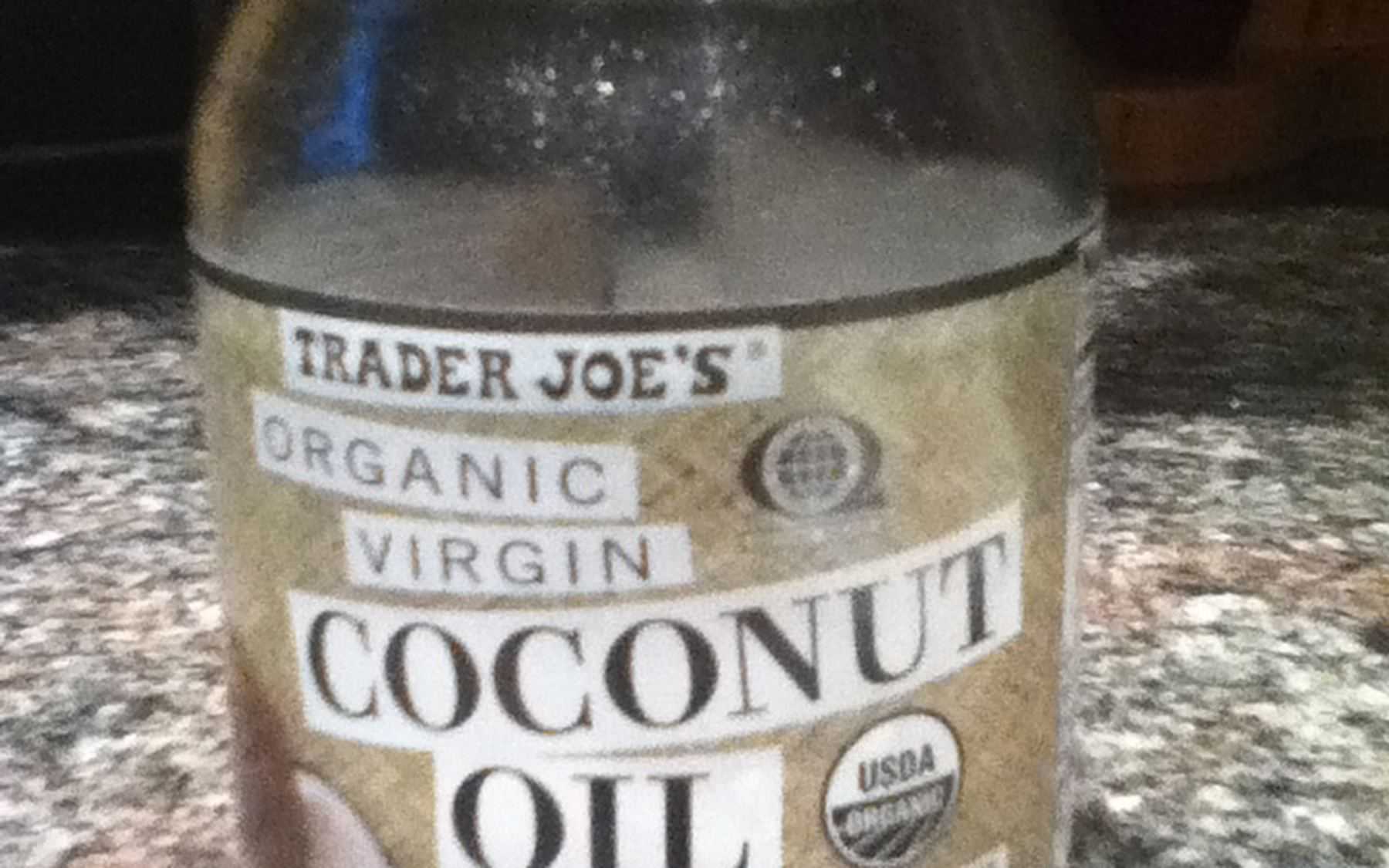
Cover image source: "Coconut oil.jpg" by Selinarif via Wikimedia Commons, licensed CC BY-SA 3.0. Cropped and compressed for web use.