Keto gummies reviews often focus on flavor, ingredient buzzwords, and dramatic before-and-after promises. A better buying approach starts with risk control. Before paying for any bottle, it helps to read the Supplement Facts panel, the marketing claims, the return policy, and the subscription terms in the same sitting. That habit will not tell you whether a product will produce weight loss, but it can help you spot weak labels, recurring billing traps, and unrealistic promises before you spend money.
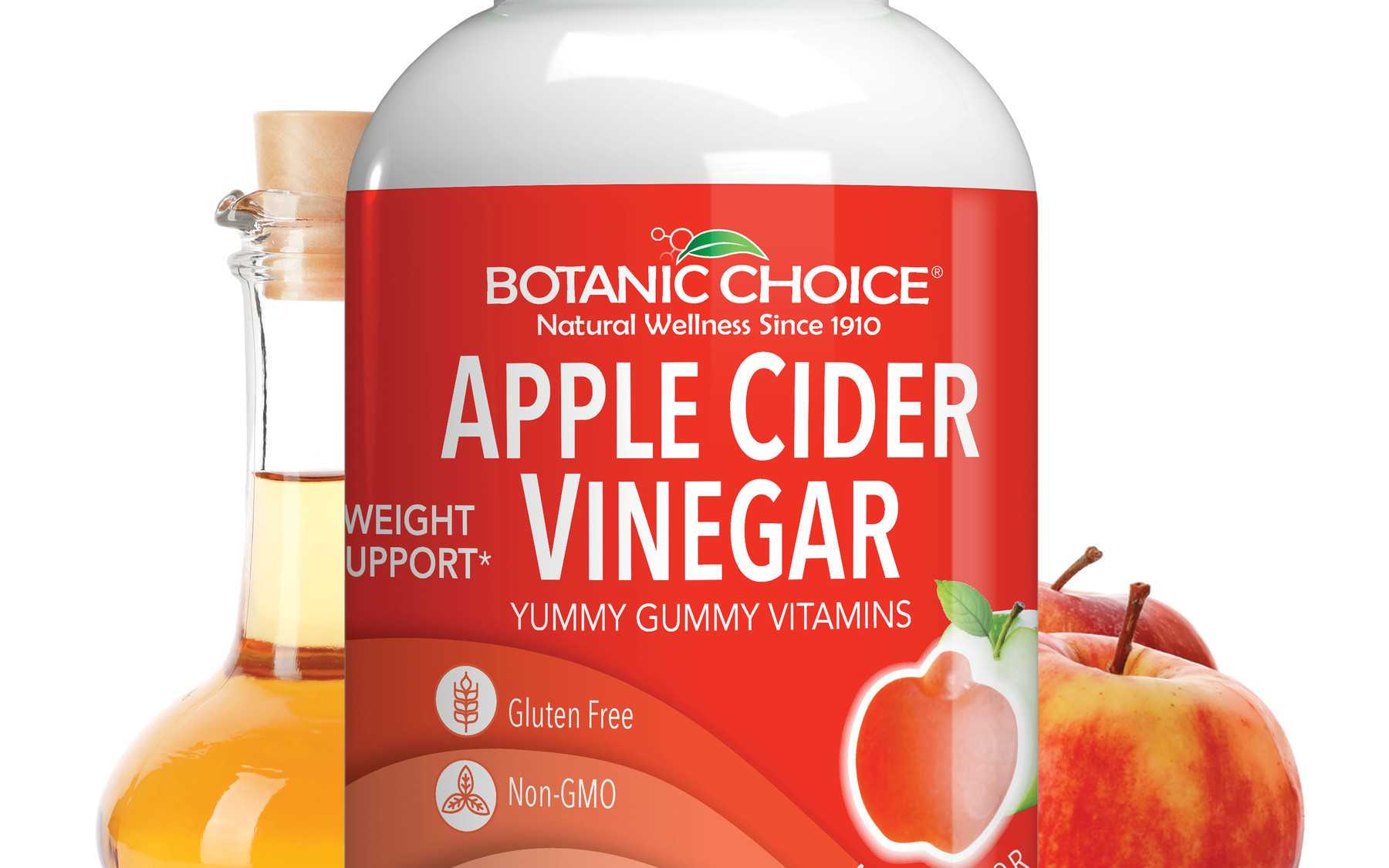
Many gummy products are sold as convenience supplements, not as guaranteed fat-loss tools. Some lean on apple cider vinegar, BHB salts, fiber blends, caffeine, botanicals, or sweeteners to create a “keto-friendly” story. None of those ingredients should be treated as proof of major weight-loss results on their own. What consumers can evaluate more reliably is whether the label is transparent, whether the side-effect risk is clearly explained, and whether the checkout flow is honest about auto-ship or free-trial billing.
Why Red Flags Matter More Than Hype
When people search for keto gummies reviews, they are often close to a purchase decision. That is exactly when persuasive copy can drown out basic label reading. A trustworthy product page usually explains the serving size, the active ingredients, the amount per serving, who should avoid the product, and how billing works. A risky page often does the opposite. It relies on vague phrases such as “rapid ketosis,” “melt stubborn fat,” or “doctor-approved formula” without giving enough ingredient detail to evaluate the claim.
Red flags do not prove that every product is unsafe, but they do signal that the seller may be prioritizing conversion over clarity. That matters because gummies can still contain sugar alcohols, added sugars, caffeine, herbal ingredients, or acids that may bother sensitive stomachs. If a seller is careless with basic labeling or billing disclosures, it becomes harder to trust the rest of the sales page.
Label Checks to Do Before You Buy
The first check is the Supplement Facts panel. Look for the serving size, the number of gummies per serving, and the exact amount of ingredients such as BHB salts, apple cider vinegar powder, fiber, or vitamins. A front label may highlight one trendy ingredient while the back panel shows a very small amount. If a formula uses a proprietary blend without clear amounts, that limits your ability to compare products.
The second check is the sweetener and carbohydrate profile. Some gummy supplements are marketed to low-carb buyers but still rely on syrups, tapioca solids, or other sweeteners that add calories and carbs. Others use sugar alcohols that may cause bloating or digestive discomfort in some people. If the product claims keto compatibility, the nutrition panel should make it easy to understand the sugar and carbohydrate tradeoffs.
The third check is manufacturing context. Look for practical details such as lot information, storage guidance, allergen warnings, and whether the seller names the manufacturer or testing standards. Those details do not guarantee product quality, but they usually reflect a more transparent operation than a page that offers only slogans and countdown timers.
Common Side Effects Buyers Should Think About
Keto gummies are often positioned as gentle or easy to take, but gummies are still supplements. Apple cider vinegar ingredients may be acidic and can bother people with reflux or sensitive digestion. Sugar alcohols such as maltitol, erythritol, or sorbitol may cause gas, bloating, or loose stools in some users. Caffeinated or stimulant-heavy formulas may not fit people who are sensitive to jitteriness, sleep disruption, or appetite-suppressing blends.
BHB-based formulas can also create expectations that need context. Exogenous ketones may change how a product is marketed, but they are not the same as achieving nutritional ketosis through diet. Some users may also find that mineral salts upset the stomach when taken without enough water or food. A careful review should ask not only “what is included?” but also “who may want to avoid this?” That is a more useful consumer question than any promise about dramatic body changes.
If you take medications, manage a chronic condition, or have concerns about blood sugar, digestion, or blood pressure, it is sensible to ask a clinician or pharmacist before starting a new supplement. That is especially true when labels bundle multiple actives together.
Free Trials and Subscription Terms: The Most Overlooked Risk
Some of the worst purchase experiences happen after checkout, not after the first gummy. “Just pay shipping” offers, steep first-order discounts, and timer-based bundles can lead buyers into recurring subscription plans that were not obvious at the start. That does not mean every subscription is deceptive. It means the terms should be visible before payment, not buried in fine print after the buy button.
Before ordering, scan for four things: whether the order is a one-time purchase or an auto-ship plan, how many days you have to cancel, whether the cancellation must be done by phone, and what refund conditions apply once the bottle is opened. Also check whether the seller publishes a real support email, physical address, or customer-service hours. Clear contact details do not make a formula effective, but they make billing disputes easier to resolve.
If a page emphasizes “free” or “risk-free” while hiding recurring billing language in a footer, that is a strong reason to pause. Honest subscription terms are specific. They tell you the rebill amount, the interval, and the cancellation process in plain language.
How ACV Gummies and BHB Gummies Raise Different Review Questions
ACV gummies and BHB gummies are often discussed together, but they are not interchangeable. ACV-focused products are usually framed around appetite, digestion, or general wellness positioning. BHB-focused products are more likely to use “ketosis” language and may imply metabolic shortcuts. In a review context, that changes what you should inspect.
For ACV gummies, pay close attention to how much vinegar material is actually present, whether sugar or flavoring dominates the formula, and whether the seller explains the product without leaning on detox language. For BHB gummies, look closely at the amount of ketone salts, the mineral load, and whether the claims imply that the gummies can replace dietary habits. In both cases, the strongest products are usually the ones that describe the formula with restraint rather than grand promises.
Practical Red Flags Checklist
| Checkpoint | Better Signal | Red Flag |
|---|---|---|
| Ingredient label | Exact amounts and serving size are visible | Proprietary blend or vague “advanced formula” wording |
| Claims | Educational, modest, and specific | “Melt fat fast” or guaranteed-result language |
| Sweeteners | Sugars and sugar alcohols are easy to review | Carb details are hard to find or glossed over |
| Side-effect guidance | Digestive or stimulant cautions are disclosed | No caution language despite a complex formula |
| Subscription terms | Rebill amount and cancellation terms are obvious | Free-trial pitch with hidden recurring billing |
| Support details | Visible email, phone, or address | Only a checkout form and vague contact language |
Bottom Line
The most useful keto gummies reviews do not try to predict dramatic weight-loss outcomes from a label alone. They help you compare transparency, side-effect considerations, sweetener tradeoffs, and billing terms. If a product page makes you work hard to find the ingredient panel, the refund policy, or the recurring subscription language, that is often the clearest answer you need.
A smarter purchase checklist is simple: read the Supplement Facts panel, review the sweeteners and active ingredients, scan the side-effect cautions, confirm whether the order is one-time or recurring, and save a screenshot of the offer before checkout. That approach will not make hype disappear, but it can keep your next gummy purchase grounded in information instead of pressure.