Eating keto at home is relatively straightforward because you control the pantry, the cooking fats, and the portion sizes. Restaurants change that. Menus use shorthand, sauces can hide sugar, and sides often default to fries, rice, bread, or sweet dressings. That does not mean dining out is off limits. It means a good restaurant keto plan should focus on flexible decision-making rather than perfection. If you know what to scan first, what questions to ask, and which menu traps matter most, you can build a lower-carb plate in almost any casual restaurant.
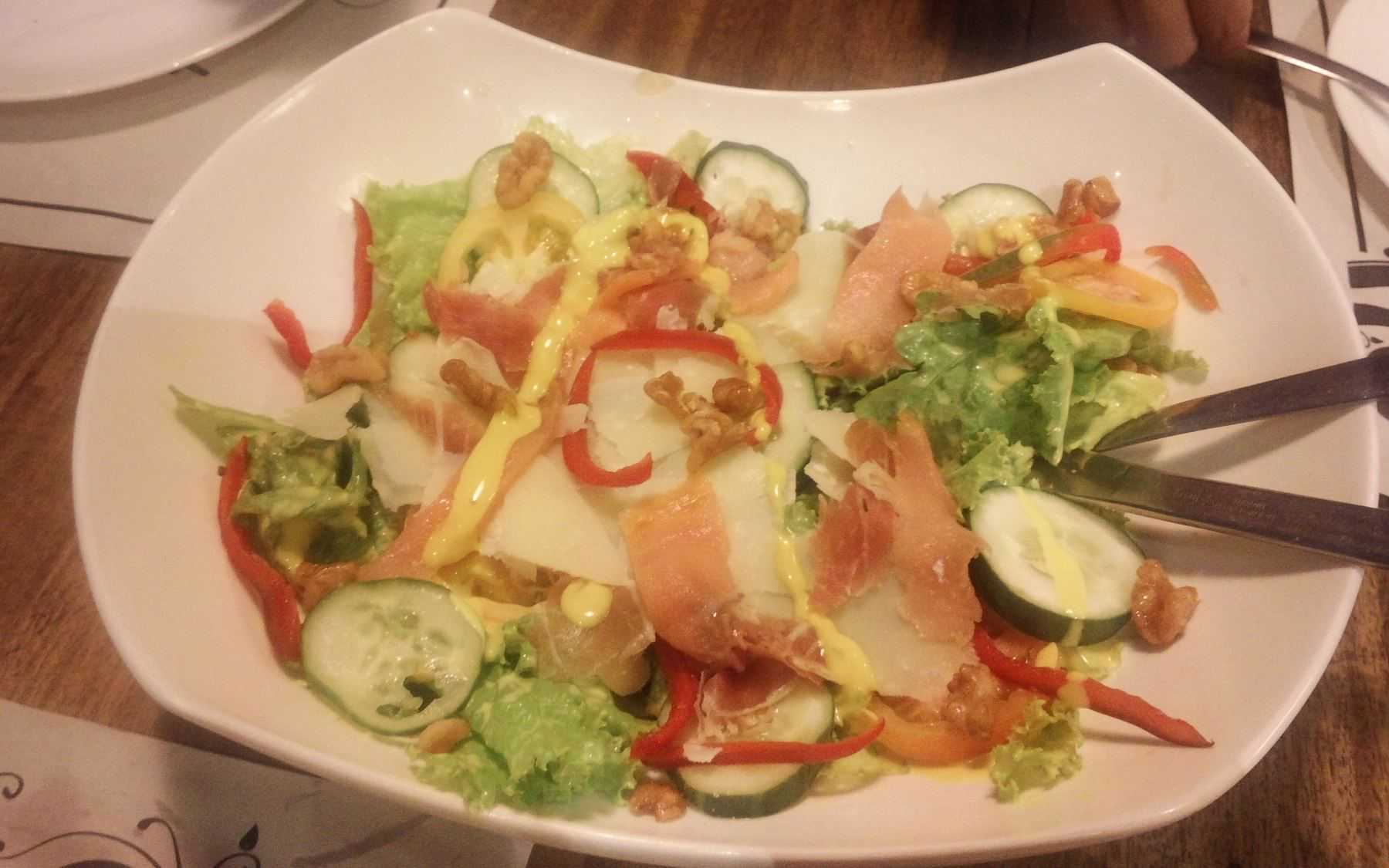
This guide is written for readers who want practical low carb meals, not rigid food rules. It will not promise automatic weight loss or a dramatic metabolic shortcut from a single restaurant order. Instead, it walks through how to choose protein-forward meals, how to swap starchy sides, and how to avoid the common keto mistakes that make a reasonable dining-out plan feel harder than it needs to be.
Why Restaurant Keto Feels Harder Than Home Keto
At home, you can measure ingredients and keep meals simple. In a restaurant, you often get polished menu descriptions instead of full ingredient detail. Words like glazed, crispy, honey, teriyaki, sweet chili, breaded, or house special can turn a meal that sounds protein-heavy into a much higher-carb plate. Portions can also work against you. A grilled chicken salad may still come with candied nuts, dried fruit, croutons, and a sweet dressing that changes the overall carb load fast.
Another challenge is decision speed. Many people arrive hungry, scan the menu for a minute, and order the most familiar item. That is when side dishes, sauces, and drinks quietly do the most damage. A better approach is to slow the order down and build the meal in parts: protein first, vegetables second, fats and sauces third, optional extras last. That structure keeps restaurant keto manageable even when the menu is not written with low carb readers in mind.
Build the Plate in This Order: Protein, Vegetables, Then Extras
The simplest restaurant keto framework is to start with the main protein. Grilled salmon, steak, burger patties, roast chicken, eggs, shrimp, bunless sandwiches, and simple deli platters are usually easier to work with than casseroles, pasta dishes, wraps, or heavily breaded items. Once the protein is clear, look for a non-starchy vegetable side such as salad greens, broccoli, spinach, mushrooms, green beans, cauliflower, zucchini, or asparagus.
After that, think about fats and flavor. Avocado, olive oil, butter, cheese, olives, or a creamy sauce served on the side may fit better than sugary marinades or sticky glazes. Putting sauces and dressings on the side gives you control. You do not need a perfectly measured keto restaurant order every time, but you do want a plate where the main ingredients are visible and not buried under sweet coatings.
This order matters for beginners because it reduces overwhelm. Instead of trying to calculate everything at once, you ask three questions: What is the protein? What replaces the starch? What hidden carbs should I control?
What to Order by Restaurant Type
Steakhouses and grills: These are often the easiest. Order grilled steak, salmon, chicken, or pork and swap potatoes, rice, or bread for extra vegetables or a side salad. Watch barbecue sauces, sweet rubs, and onion straws.
Burger spots: A bunless burger or lettuce wrap can work well. Skip sugary ketchup-heavy combinations if possible, and choose cheese, bacon, avocado, mushrooms, or fried eggs over breaded toppings. Fries are the obvious starch, but milkshakes and sweet tea are common carb add-ons too.
Mexican restaurants: Fajita plates, grilled meats, taco salads without the shell, or burrito bowls without rice and beans can be useful starting points. Ask for extra lettuce, guacamole, sour cream, pico de gallo, and grilled vegetables. Sweet sauces and large chip baskets are the usual pitfalls.
Breakfast and brunch places: Eggs, omelets, bacon, sausage, smoked salmon, and breakfast bowls can be easier than lunch menus. Substitute hash browns, toast, pancakes, and fruit-heavy yogurt bowls with tomatoes, avocado, or sautéed vegetables.
Asian restaurants: This category takes more care because many sauces contain sugar or starch. Stir-fried meat and vegetables can still work if you ask for sauce on the side or request a lighter sauce. Rice, noodles, breaded appetizers, and sweet glazes are the main issues.
Hidden Carb Sources That Surprise Beginners
Most restaurant keto mistakes are not caused by the obvious foods. People usually know fries and bread are not ideal for a low carb meal. The bigger issue is the ingredients that look harmless in small amounts but add up quickly. Dressings may contain sugar or honey. Slaws can be sweetened. Soup bases may be thickened. Marinades can include syrups. Even grilled proteins sometimes arrive brushed with sweet sauce after cooking.
Drinks deserve the same caution. Soda, juice, sweet cocktails, and flavored coffee drinks can undo an otherwise reasonable plate. If you want to keep things simple, water, sparkling water, unsweetened tea, black coffee, or dry wine are easier default choices. Desserts are not the only carb-heavy finish; even a “healthy” smoothie or mocktail can be unexpectedly sweet.
When the menu is vague, phrases such as signature sauce, chef's glaze, sticky, candied, maple, bourbon sauce, and honey butter are cues to ask one more question before ordering.
Common Keto Dining-Out Mistakes
The first mistake is chasing a perfect macro count in a setting where perfect information does not exist. Restaurant keto works better when you aim for a clearly lower-carb choice, not a mathematically exact meal. The second mistake is focusing only on the entrée while ignoring the extras. A grilled entrée with fries, a sweet dressing, and a sugary drink is not the same as that same entrée with greens, butter, and water.
The third mistake is arriving too hungry. If you go into a restaurant starving, bread baskets, chips, and dessert menus become much harder to ignore. A small protein-forward snack before leaving home can make better decisions easier. The fourth mistake is being too shy to modify the order. Asking for a side salad instead of fries or sauce on the side is normal restaurant behavior, not a special request.
The fifth mistake is treating every restaurant outing as an all-or-nothing test. One imperfect meal does not erase a week of better habits. For most readers, consistency comes from making better swaps often, not from performing menu perfection under pressure.
Questions Worth Asking Before You Order
You usually do not need a long conversation with the server. Two or three focused questions are enough. Ask whether the protein is breaded or glazed. Ask what side vegetables are available instead of fries, rice, or potatoes. Ask whether the dressing or sauce can come on the side. If the menu item is a bowl or salad, ask what the base includes and whether croutons, tortilla strips, dried fruit, or sweet dressings can be removed.
These questions matter because they target the biggest uncertainty points. They also help beginners build confidence. Once you learn how often restaurants are willing to swap sides or separate sauces, keto dining out feels much less restrictive.
Quick Restaurant Keto Checklist
- Choose a visible protein first: grilled fish, steak, eggs, chicken, shrimp, or burger patties.
- Swap fries, rice, bread, and pasta for salad greens or non-starchy vegetables.
- Request sauces, glazes, and dressings on the side when the ingredients are unclear.
- Watch hidden carbs in slaws, soups, marinades, and “house special” toppings.
- Keep drinks simple if the goal is a lower-carb meal.
- Use modifications without overthinking them: bunless, no croutons, extra vegetables, add avocado.
Bottom Line
A solid restaurant keto strategy is less about finding a perfect “keto menu” and more about building a practical order from common ingredients. Pick a protein, replace the starch, control the sauce, and look out for hidden sugars in the extras. That approach fits beginners, travel days, work lunches, and everyday low carb meals better than rigid rules do.
If you remember only one thing, let it be this: the best restaurant keto order is usually the one with the fewest surprises. Clear ingredients, simple swaps, and realistic expectations beat hype, guesswork, and all-or-nothing thinking every time.
Cover image source: "Salmon salad" by Choi2451 via Wikimedia Commons, licensed CC BY-SA 3.0. Cropped and compressed for web use.