A beginner keto grocery list should make the week easier, not more confusing. Many people start with a long list of specialty products, expensive snacks, and strict rules they cannot maintain. That usually leads to a crowded cart, a high grocery bill, and a refrigerator full of ingredients that do not turn into actual meals. A better approach is simpler: buy a small group of repeat ingredients that support low carb meals you will realistically cook and eat.
This guide focuses on practical shopping for everyday keto meals. It does not promise fast weight loss, dramatic medical changes, or perfect macros from day one. Instead, it helps you stock proteins, vegetables, fats, seasonings, and convenience items that make a one-week beginner keto meal plan easier to follow. If you want a grocery list that supports meal prep, flexible lunches, and simple dinners, start here.
Start With Meals, Not Products
The biggest beginner keto mistake at the store is shopping by diet label instead of by meal use. A package that says low carb or keto may still be expensive, highly processed, or not that useful in your week. Before you buy anything, outline three or four meals you can repeat without much effort. For example: eggs with spinach for breakfast, chicken salad for lunch, salmon with roasted broccoli for dinner, and ground beef lettuce bowls for a second dinner option.
Once meals come first, the grocery list becomes shorter and more practical. You know why you are buying eggs, chicken thighs, olive oil, shredded cheese, frozen cauliflower rice, cucumbers, and salad greens. You also avoid filling the cart with bars, powders, or desserts that sound keto-friendly but do not help with ordinary cooking. A grocery list should support your schedule, not just your search history.
The Core Beginner Keto Grocery List
The easiest way to shop is by building a short staple list in categories.
- Proteins: eggs, chicken thighs, chicken breast, salmon, canned tuna, ground beef, turkey, shrimp, plain Greek yogurt if it fits your carb target, and deli meat with a simple ingredient list.
- Low carb vegetables: spinach, romaine, cucumbers, zucchini, broccoli, cauliflower, mushrooms, green beans, cabbage, bell peppers, and asparagus.
- Fats and flavor: olive oil, avocado, butter, mayonnaise, olives, pesto, cream cheese, cheddar, Parmesan, and unsweetened nut butter.
- Pantry basics: salt, pepper, garlic powder, chili flakes, mustard, vinegar, canned tomatoes in moderate portions, broth, and pickles without added sugar when possible.
- Convenience items: frozen vegetables, pre-washed salad greens, rotisserie chicken, boiled eggs, and cauliflower rice for fast meal prep.
You do not need every item every week. The point is to keep enough overlap that one shopping trip can cover several low carb meals without extra complexity.
What to Skip or Buy Less Often
Many new shoppers overspend on foods that look helpful but create more confusion than value. Skip the giant section of keto cookies, sweetened protein treats, and novelty products until you have a stable routine. Some are fine occasionally, but they are not the foundation of a beginner meal plan. They can also keep your taste preferences centered on dessert instead of ordinary meals.
It also helps to limit duplicate items that serve the same purpose. You do not need three kinds of cheese, four sauces, and six snack replacements in one week. Pick one or two options you know you will use. A smaller list reduces waste and makes meal prep faster. The same logic applies to fruit, sauces, and nuts. They are not automatically off limits, but portions matter and calories add up quickly when they become unplanned extras.
How to Shop for a Real Week of Low Carb Meals
A realistic beginner keto week often works better with repeated ingredients than with seven totally different dinners. Buy one or two proteins for batch cooking, one fish or quick-cook option for variety, and enough vegetables to rotate between raw, roasted, and sauteed meals. For example, a single pack of chicken thighs can become sheet-pan dinners, chopped lunch salads, and lettuce wraps. Ground beef can turn into taco bowls, burger patties without buns, or stuffed peppers.
Think in meal components instead of recipes. Salad greens can pair with eggs, tuna, or chicken. Roasted broccoli works with salmon or steak. Cauliflower rice can support stir-fry bowls, burrito-style bowls, or simple skillet meals. When the same ingredients work across multiple lunches and dinners, you reduce decision fatigue and make beginner keto more durable.
Simple One-Week Beginner Keto Meal Plan Framework
You do not need a rigid day-by-day menu, but a loose framework helps.
- Breakfast options: eggs with spinach, Greek yogurt with a few berries and chia seeds, or reheated dinner leftovers.
- Lunch options: chicken salad bowls, tuna lettuce wraps, deli turkey with cucumber and cheese, or a simple leftovers plate.
- Dinner options: salmon with broccoli, taco-style ground beef bowls over shredded lettuce, roasted chicken thighs with green beans, or burger patties with sauteed mushrooms.
- Snack back-ups: boiled eggs, string cheese, olives, celery with nut butter, or a measured handful of nuts.
This kind of framework supports both meal prep and flexibility. If plans change, your ingredients can still be recombined into another low carb meal without wasting food.
Meal Prep Without Turning Sunday Into a Project
Meal prep should remove friction, not create an all-day cooking event. Most beginners do well with a ninety-minute reset: cook one tray of protein, wash salad vegetables, boil eggs, roast one vegetable, and portion two or three grab-and-go lunches. That is enough to create momentum for the week. You do not need to prep every meal in advance if you keep the refrigerator stocked with components that assemble quickly.
Convenience matters here. Pre-cut vegetables, frozen cauliflower rice, rotisserie chicken, and bagged salad are not signs of failure. They are useful tools when time is tight. A practical keto grocery list should reflect your real work schedule, commute, family needs, and cooking patience.
Common Keto Grocery Shopping Mistakes
One mistake is buying too little protein and too many snack items. Protein is what usually anchors the meal, but many beginners leave with bars, cheese crisps, and spreads instead of enough chicken, eggs, or fish to cook with. Another mistake is forgetting sauces and condiments. They can make repetitive meals easier to eat, but they can also hide sugar. Reading labels on ketchup, marinades, dressings, and flavored yogurt is often more useful than reading the front of a specialty keto package.
A third mistake is shopping without any vegetable plan. People know they should avoid bread, pasta, and rice, but then forget to replace those foods with satisfying sides such as broccoli, cabbage slaw, zucchini, or salad greens. The result is a plate that feels incomplete, which makes the diet harder to stick with. A fourth mistake is assuming expensive means better. A strong beginner keto cart can be built from eggs, canned tuna, frozen vegetables, chicken thighs, and olive oil without chasing premium products.
Quick Beginner Keto Grocery Checklist
- Pick three repeat meals before you enter the store.
- Buy enough protein for at least five to seven main meals.
- Choose three to five low carb vegetables you will actually cook or eat raw.
- Add one or two fats or condiments that make meals easier to repeat.
- Use frozen or pre-washed items when convenience improves follow-through.
- Skip most specialty keto treats on the first few shopping trips.
- Check labels on dressings, sauces, and flavored snacks for added sugar.
Bottom Line
The best beginner keto grocery list is not the longest one. It is the one that helps you cook a real week of low carb meals with minimal waste and minimal friction. Start with proteins, add vegetables you enjoy, keep fats and seasonings simple, and buy convenience items that match your actual routine.
If you remember one rule, make it this: shop for repeatable meals, not for keto hype. That approach makes beginner keto, meal prep, and grocery budgeting work together much better than a cart full of specialty products ever will.
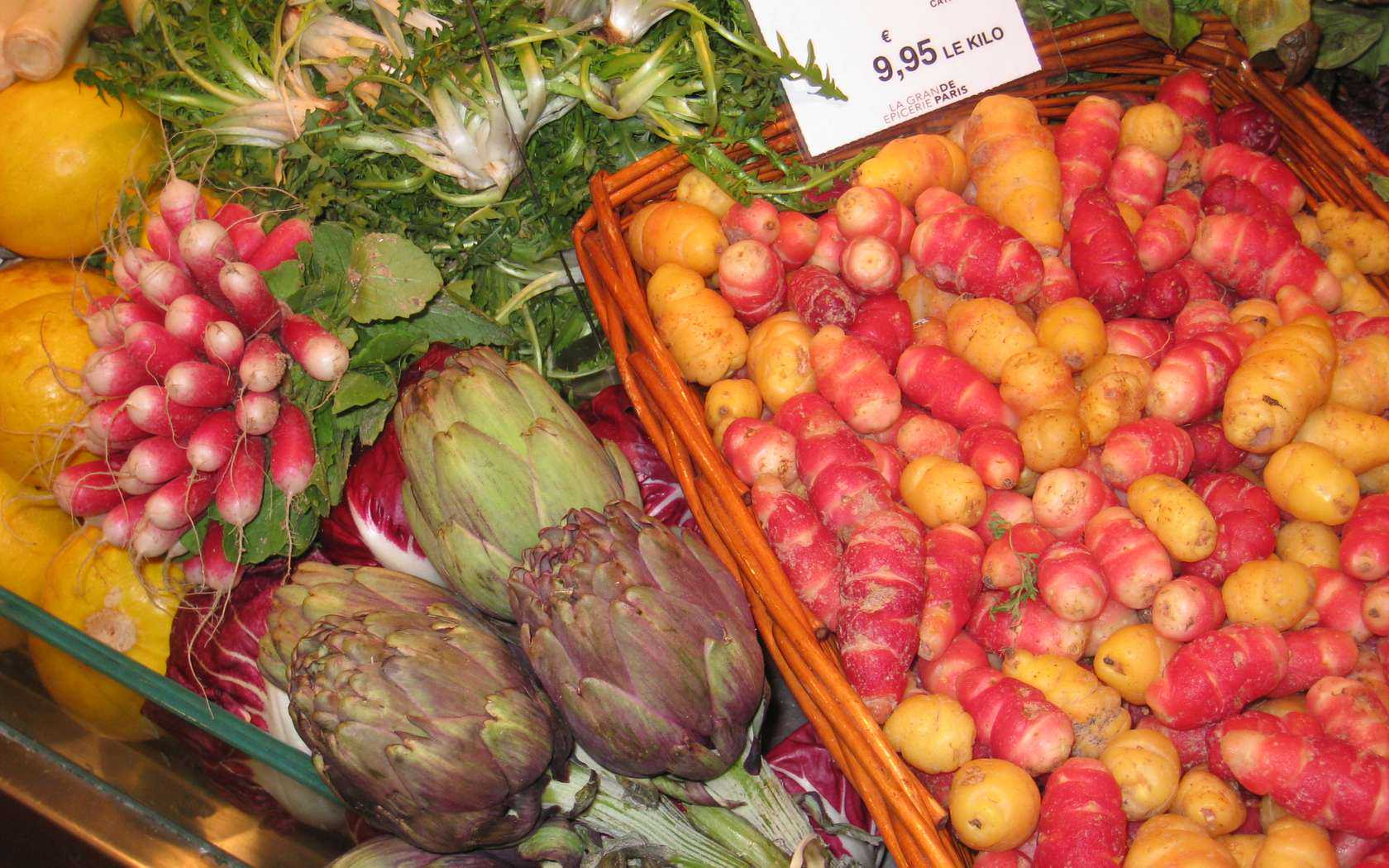
Cover image source: "Vegetables in a grocery store, Paris.JPG" by Daderot via Wikimedia Commons. Public domain. Cropped and compressed for web use.