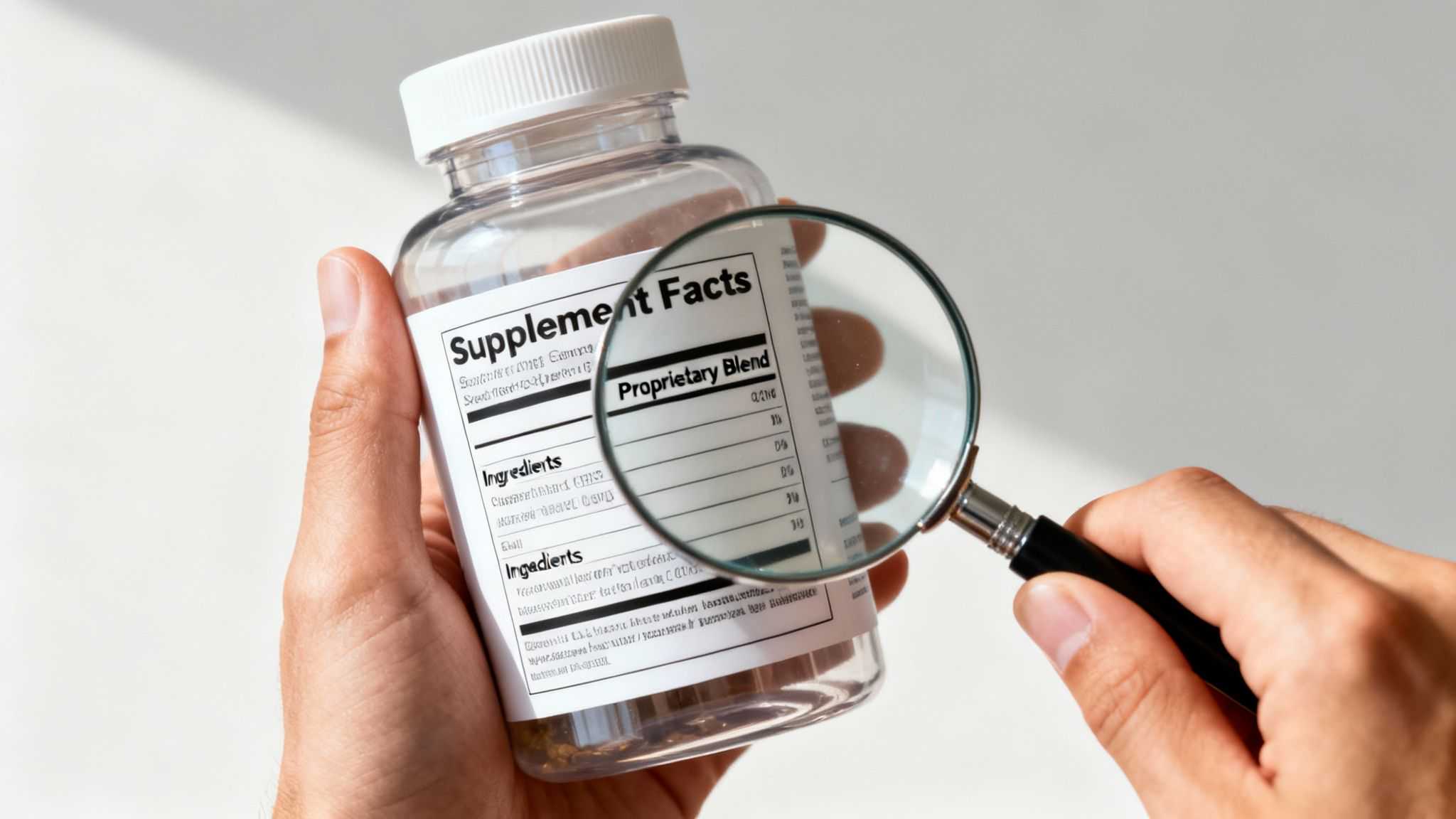
Reading a keto supplement label is one of the most useful skills a shopper can have. The front of the package is designed to be persuasive, but the back of the package tells you what is actually inside. That difference matters because many keto products use the same popular words while serving very different purposes. A label may mention ACV, ketones, or natural sweeteners, yet those ingredients may be present in very small amounts or used mainly for taste and marketing.
The goal is not to become suspicious of every product. The goal is to become informed enough to tell the difference between a formula that is transparent and one that is vague. When you know how to read the label, you can compare products quickly, avoid hype, and choose something that fits your real goal instead of a slogan.
Start with the serving size
The serving size is the first thing to check because it changes the meaning of every other number on the panel. A formula may look strong until you notice that the serving is tiny. If you have to eat or drink a lot of the product to get a meaningful amount of the active ingredients, the convenience may not be as good as the package suggests. Serving size also matters for taste, digestion, and how realistic the product is to use every day.
Once you know the serving size, look at how many servings are in the container. Some products seem inexpensive until you calculate the price per serving. Others seem modest on the shelf but turn out to be a better value because the formula is clearer and the servings are more meaningful. This is why label reading should begin with facts, not impressions.
Understand what ACV is doing
Apple cider vinegar, or ACV, is popular in keto products because people associate it with wellness, digestion, and appetite support. That reputation gives the ingredient strong marketing value, which is exactly why you should ask how much is really included. If the brand uses ACV powder or extract, the label should make it clear enough to judge whether the amount is meaningful. A tiny amount may sound impressive without doing much in practice.
ACV can be part of a formula, but it should not be treated like magic. If a product is promising weight loss or ketosis support, the rest of the formula matters just as much. The product should explain what role ACV plays and why it was included. Clear brands usually give you a straightforward reason. Weak brands often leave you with buzzwords and assumptions.
Know what exogenous ketones can and cannot do
Exogenous ketones are one of the most misunderstood ingredients in keto products. They can raise ketone levels temporarily, but that does not mean they create effortless fat loss. They are not a replacement for a low carb diet, and they do not cancel out overeating or inconsistent habits. The label should tell you which type is used, how much is in each serving, and whether the dose seems realistic.
Many ketone products use beta hydroxybutyrate, often abbreviated BHB, in different forms. That is useful information, but only if the amounts are visible and comparable. If the formula hides key numbers behind a blend, you lose the ability to judge value. A strong label makes the ingredient list more useful than the ad copy. A weak label makes the ad copy louder than the facts.
Check the sweetener system carefully
Sweeteners matter a lot in keto supplements because taste is a major reason people buy them. Common options include erythritol, stevia, monk fruit, and allulose. Each has a different role. Some add bulk, some bring intense sweetness, and some are used to make the product taste closer to sugar. A good formula usually balances these ingredients so the product tastes pleasant without leaning too hard on one note.
You should also consider how your body reacts. Some people tolerate sugar alcohols well, while others notice bloating or stomach discomfort. A label can tell you what is included, but your own experience will tell you what you can comfortably use. If a product looks good on paper but gives you trouble in real life, the label was only half the story.
Look for texture and support ingredients
Not every ingredient is there for a health claim. Many ingredients exist to create the right texture, shelf life, and mouthfeel. Gelatin, pectin, gums, acids, and flavor systems help turn a formula into a gummy, capsule, powder, or drink that people can actually use. Those ingredients are not automatically good or bad. They are part of making the product work as a product.
The issue is whether the formula explains itself clearly. A short ingredient list is often easier to trust because you can see the division between active ingredients and support ingredients. A very long list is not always a red flag, but it does deserve a closer look. If you cannot tell why a certain ingredient is included, the brand may be leaning too heavily on complexity instead of clarity.
Watch for common red flags
- Proprietary blends that hide dosing
- Sugar, syrup, or fillers near the top of the ingredient list
- Claims that promise fast results without explaining the mechanism
- No mention of serving size or limited transparency about doses
- Overly polished marketing with very little real product information
Red flags do not always mean the product is useless, but they do mean you should slow down. The most trustworthy products are usually the ones that make their formula easy to understand. When a brand hides the numbers, it becomes much harder to compare options fairly. Reading labels carefully protects you from paying extra for a story instead of a product.
Compare labels with your actual goal
The best way to compare keto supplements is to begin with your goal. If you want a snack, then taste and carb content matter a lot. If you want a supplement, then dosing and transparency matter more. If you want a convenience product, then serving size and ingredients matter most. The same label can look good or bad depending on what job you expect the product to do.
This is why marketing language can be misleading. A product can call itself keto-friendly and still be poorly designed for your purpose. When you compare labels by goal instead of by hype, your decisions become much easier. You stop asking whether the product sounds impressive and start asking whether it actually fits your routine.
Bottom line
The smartest keto buyers read the label first and the marketing second. Start with serving size, look at the active ingredient amounts, check the sweeteners, and notice whether the formula is transparent about what it is trying to do. Once you learn that habit, keto supplements become much easier to judge. The label is usually where the truth lives, and the front of the package is usually where the story begins.